Cold Plunge vs. Cryotherapy: Which Cold Is Actually Worth It
Share
On paper, whole-body cryotherapy should win this fight easily. You step into a chamber chilled to around -200°F for three minutes, which sounds vastly more hardcore than sitting in 50-degree water. But cold exposure isn't a contest of which number is scarier. It's about how much heat you actually pull out of the body, and on that measure the plunge wins decisively.
Water cheats, and that's the point
The thing that makes cold water immersion so effective is physics, not bravado. Water conducts heat away from your body roughly 25 times faster than air does. That's why 50°F water feels punishing while 50°F air just feels like fall. So even though a cryo chamber is dramatically colder in absolute terms, the freezing air is a poor conductor, and it's only touching you for a couple of minutes.
Cold water, by contrast, is in full contact with your skin and genuinely drives down the temperature of the tissue beneath it. Studies measuring muscle and core temperature bear this out: water immersion produces real, lasting cooling, while whole-body cryo barely moves core temperature at all. The skin gets shockingly cold and the nervous system lights up, but the deep cooling that drives a lot of the recovery claims mostly doesn't happen.
What each one is actually good at
This doesn't make cryotherapy worthless, but it changes what it's for. Cold water immersion has the deeper and better-studied evidence base for reducing muscle soreness and aiding recovery, precisely because it cools tissue for real. If you want measured physiological recovery, the water has the data.
Whole-body cryo is better understood as a fast, intense hit to the sympathetic nervous system: a rush of alertness, endorphins, and that post-cold high, delivered in three dry minutes without the misery of submerging in ice water. For a lot of people that experience is the actual draw, and there's nothing wrong with valuing it. Just don't confuse the buzz with deep tissue recovery.
The timing rule applies to both
One thing carries over from the cold plunge timing research regardless of which cold you choose. If your goal is building muscle, intense cold right after a lifting session can blunt the adaptation you trained for. That caveat is best documented for cold water immersion, but the logic, suppressing the post-workout inflammatory signal, applies to any serious cold exposure. If hypertrophy is the goal, put a few hours between the workout and the cold either way.
There's also the matter of cost and access. A cold plunge or even a stock tank of ice water is a one-time setup you own. Cryotherapy is a recurring per-session fee at a facility, and the research backing it is thinner and more often funded by the people selling it.
So here's the honest bottom line. For real tissue cooling and recovery, cold water wins on evidence and on cost. Cryotherapy is faster, drier, and more comfortable, and it delivers a genuine sympathetic jolt, but its deep-recovery claims are shaky. Pick the plunge for the science, the chamber for the convenience.
If you are choosing cold for home use
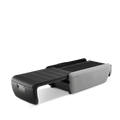
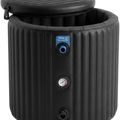
Cryo chambers stay in the clinic, but cold water is the version you can actually own. A dedicated cold plunge tub with a chiller gives you repeatable cold on demand, and an all-in-one hot and cold plunge adds the heat side if you want contrast too.