PEMF Therapy: Separating the Signal From the Hype
Share
PEMF is one of those tools that gets unfairly lumped into the woo bin, and I understand why. The marketing around it is some of the most over-the-top in the wellness world, full of promises that it fixes nearly everything. But underneath the hype is a real medical technology, and the trick is telling the proven part from the sales pitch.
PEMF stands for pulsed electromagnetic field therapy. A device sends pulsing magnetic fields into the body, and those fields induce small electrical currents in your tissue. The claim is that this gentle electrical stimulation influences how cells behave, particularly around repair and inflammation. That sounds exotic until you remember your nervous system already runs on electrical signals. Tissue responding to electromagnetic fields isn't fringe physics.
The part that's settled science
Here's what surprises people: PEMF is FDA-cleared for healing bone. Specifically, it's an established treatment for fracture nonunions, the cases where a broken bone fails to knit back together on its own. Orthopedic surgeons have used bone-growth stimulators based on this principle for decades. There's also clearance for use as an adjunct in certain spinal fusions. This is not a gray area. For bone healing, the technology works and the medical world treats it as legitimate.
The part that's promising but unsettled
Outside of bone, the picture gets murkier. There's a reasonable and growing body of research on PEMF for pain, especially osteoarthritis of the knee, where several randomized trials have shown benefit. Some studies suggest it helps with post-operative swelling and recovery. The signal is there. It's just not as clean or as conclusive as the bone data.
I'd put pain and inflammation in the plausible-and-worth-trying column, with the honest note that results are mixed and the effect sizes vary a lot between studies.
The part that's marketing
Then come the claims that PEMF boosts energy, detoxifies, improves sleep, balances the nervous system, and generally optimizes you from the cellular level up. The evidence for that tier is weak, and a few practical problems make it hard to trust:
- Devices vary enormously in frequency, waveform, and intensity, so a study on one machine tells you little about another.
- Subjective outcomes like energy and sleep are exactly the ones most vulnerable to placebo, and a lot of PEMF studies aren't well blinded.
- The strongest marketing claims tend to come from the people selling the most expensive machines.
So here's the honest bottom line. PEMF is real, FDA-cleared medicine for bone healing and a plausible tool for pain and osteoarthritis. The whole-body cellular-optimization story is mostly marketing. Buy it for joints and recovery with clear eyes, and stay skeptical of anything pitched as a cure-all.
Picking a PEMF mat
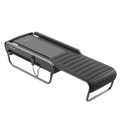
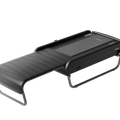
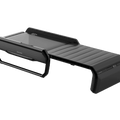
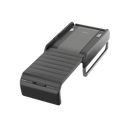
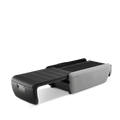
If you want to try PEMF without hype-priced clinic sessions, a home mat is the practical route. The infrared PEMF therapy mat combines PEMF with infrared heat and red light, the PEMF Go mat is a compact everyday option, and the PEMF Pro mat is the full-size version. As with everything in recovery tech, match the tool to a real use case rather than the marketing.