The Sauna and Cold Plunge Contrast Protocol, Done Right
Share
If you've spent any time around saunas, you know the ritual: roast until you can't take it, plunge into freezing water, repeat, and walk out feeling like a new person. Contrast therapy is one of the oldest recovery practices there is, baked into Finnish and Nordic culture for centuries. It also happens to feel fantastic, which is most of why people keep doing it.
The question worth answering is what it's actually doing, and the one scenario where the ritual can quietly work against you.
The mechanism, minus the mysticism
The logic of contrast therapy is the vascular pump. Heat dilates your blood vessels, opening everything up and driving circulation to the skin and extremities. Cold slams them shut, pulling blood back toward your core. Alternate the two and you're flushing blood through your tissues, in theory clearing metabolic waste and bringing in fresh, oxygenated blood with each swing.
The honest read on the research: contrast water therapy shows a modest benefit for recovery and perceived soreness in the studies, better than doing nothing, though not the miracle some claim. A lot of the real value may simply be that it feels restorative and gets you to actually rest. That's not nothing. Adherence beats theoretical perfection.
The catch nobody mentions on lifting days
Here's the part that gets skipped, and it ties directly to the cold plunge timing research. The cold half of your contrast session is still cold exposure, and if you run it right after a hypertrophy workout, it can blunt the muscle-building adaptation you just earned. The fact that it's bookended by sauna time doesn't cancel that out.
So the contrast ritual that's perfect on a rest day becomes a problem on a heavy lifting day, specifically because of the plunge. The heat isn't the issue. If anything, sauna heat may support training adaptation, which I get into in the sauna benefits piece. It's the cold landing in the post-workout window that's the conflict.
How to run it without the conflict
The fix is the same scheduling logic, applied to the protocol:
- On rest days, run the full contrast ritual however you like. No training adaptation to protect, all the circulation and feel-good upside.
- On hypertrophy days, separate the contrast session from the workout by several hours, or skip the cold portion and just sauna afterward.
- If you're doing endurance work or you care more about recovering for tomorrow than building this week, contrast away right after. The timing caveat is a hypertrophy problem, not a universal one.
As for the protocol itself, a typical round is 15 to 20 minutes in the sauna followed by one to three minutes in the cold, repeated two or three times. People argue endlessly about whether to end on heat or cold. End on whichever leaves you feeling right, because the evidence doesn't strongly favor either.
Setting up sauna and cold plunge at home
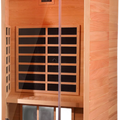
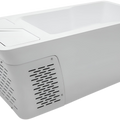
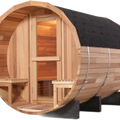
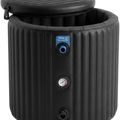
If you want contrast on tap, you need a heat source and a cold one. On the heat side, a home infrared sauna runs cooler and costs less to power, while a traditional cedar barrel sauna gets you the classic high-heat Finnish session. For the cold half, a dedicated cold plunge tub holds temperature far more consistently than dumping ice into a stock tank. Tight on space? An all-in-one hot and cold plunge covers both jobs in a single footprint.
So here's the honest bottom line. Contrast therapy is a genuinely good recovery tool and an even better ritual, and the heat side may actively help your training. Just respect the cold side's timing. On a building day, keep the plunge a few hours away from the workout, and you get all of the upside with none of the conflict.