Red Light Therapy: The Real Science of Photobiomodulation
Share
Red light therapy is the rare wellness tool where I have to talk people both up and down in the same conversation. The mechanism is real and the skin evidence is solid. The list of things it supposedly cures is also longer than the evidence can support. Sorting the two is the whole job.
The proper name is photobiomodulation, and the basic science holds up. Specific wavelengths of red and near-infrared light penetrate the skin and are absorbed by an enzyme in your mitochondria called cytochrome c oxidase. That absorption nudges the cell to produce more ATP, the energy currency it runs on. More cellular energy, the theory goes, means faster repair. That part isn't hand-waving.
Wavelength is the spec that matters
Not all red light is the same, and this is where cheap devices fall apart. The wavelengths that actually do the work sit in two bands: red around 630 to 660 nanometers, which acts more on the skin's surface, and near-infrared around 810 to 850 nanometers, which goes deeper into muscle and joint tissue. A device that doesn't tell you its wavelengths, or sits outside those windows, is selling you a red glow and a vibe.
What the evidence actually supports
The strongest case is skin. Multiple controlled studies show red light improving collagen production, skin tone, and fine lines, which is why it's a fixture in dermatology and not just on biohacker shelves. There's also reasonable evidence for wound healing and for reducing muscle soreness and speeding recovery when used around training.
One of the better-validated uses is hair. Low-level laser and LED devices are FDA-cleared for treating androgenetic hair loss, with real regrowth data behind them. That's a meaningful bar that most wellness claims never clear.
Where it goes off the rails
Then there's the second list: that red light melts fat, balances hormones, detoxifies, fixes thyroid function, and treats a dozen unrelated conditions. The evidence for that tier ranges from thin to nonexistent, and the confidence of the marketing is inversely proportional to the data behind it.
Two technical traps make this worse. First, dose is biphasic, which is a fancy way of saying more is not better. Past a certain point, extra light stops helping and can do less than the right dose would. Second, the consumer market is wildly inconsistent on power output and distance, so two devices making the same promise can deliver completely different doses. A claim without a wavelength, an irradiance, and a treatment distance isn't really a claim.
So here's the honest bottom line. Red light therapy has a genuine mechanism and solid evidence for skin, hair, and recovery. It is not a metabolic or hormonal cure-all. Buy a device that publishes its wavelengths and power, use it for what's proven, and ignore the everything-machine marketing.
Choosing a red light therapy panel
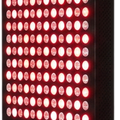
If the science has you convinced, the practical question is hardware. The best red light therapy panels deliver both 660nm red and 810-850nm near-infrared in one device. Our 300-LED panel covers both bands for daily full-body use, the clinical-grade 72 quad-chip panel steps up the intensity, and the Juvakit 300W starter kit is a complete entry point. Look for published irradiance specs and skip any device making thyroid or fat-loss claims.