Float Tanks: What Sensory Deprivation Actually Does to Your Brain
Share
The first time someone described a float tank to me, it sounded like an expensive way to lie in a bathtub in the dark. You climb into a pod filled with skin-temperature water and a thousand pounds of Epsom salt, close the lid, and float in silence with no light. An hour of nothing. I was skeptical that nothing could do much.
Then I read the research, and the case is better than the gimmick makes it look. The technical name is Floatation-REST, short for Reduced Environmental Stimulation Therapy, and the operative word is reduced. The whole point is to strip away sensory input so your nervous system has less to do.
Why the salt and the temperature matter
The setup isn't arbitrary. The water is loaded with enough magnesium sulfate to make you float effortlessly, so your muscles stop working to hold you up. It's heated to around 93.5°F, close to skin temperature, so after a few minutes you lose track of where the water ends and you begin. Kill the light and the sound on top of that, and your brain is suddenly getting almost no signal from the outside world.
That sensory quiet is the active ingredient. Most of us run all day on a low background hum of stimulation, and the nervous system is always processing it. Take it away and the body tends to drop out of fight-or-flight on its own.
What the research actually found
The most interesting work here comes out of the Laureate Institute for Brain Research, where Justin Feinstein ran float studies on people with anxiety and depression. A single one-hour session produced significant reductions in anxiety and meaningful improvements in mood, along with drops in blood pressure. The effect showed up even in people with serious anxiety disorders, which is not an easy group to move.
The proposed mechanism is straightforward. Floating lowers sympathetic nervous system activity, the branch that runs your stress response, and turns your attention inward toward your own breath and heartbeat. For people who spend all day pointed outward at screens and noise, that reset appears to be genuinely calming, not just pleasant.
The claim I'd push back on
Here's where the marketing outruns the science. A lot of float centers will tell you that you absorb the magnesium from the salt through your skin, and that this is part of the benefit. The evidence for meaningful transdermal magnesium absorption is weak. Your skin is good at keeping things out, and magnesium sulfate doesn't cross it easily. If you're magnesium deficient, a float is not your fix.
So treat the magnesium angle as a nice story and not a reason to buy. The salt is there to make you float. The benefit is the sensory quiet and the nervous system downshift, both of which are real on their own.
Where floating fits
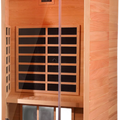
If you already use heat and cold for recovery, floating is the third lever, and it pulls in a different direction. The sauna trains your cardiovascular system through heat stress. A cold plunge hits your sympathetic nervous system hard and fast. A float does close to the opposite of the plunge: it lowers arousal instead of spiking it. For sleep, stress, and mental recovery rather than physical adaptation, that's the tool.
So here's the honest bottom line. Float tanks have real, measured effects on anxiety, mood, and blood pressure, and they're one of the few recovery tools where doing less is the entire point. Just buy one for the calm, not for the magnesium.